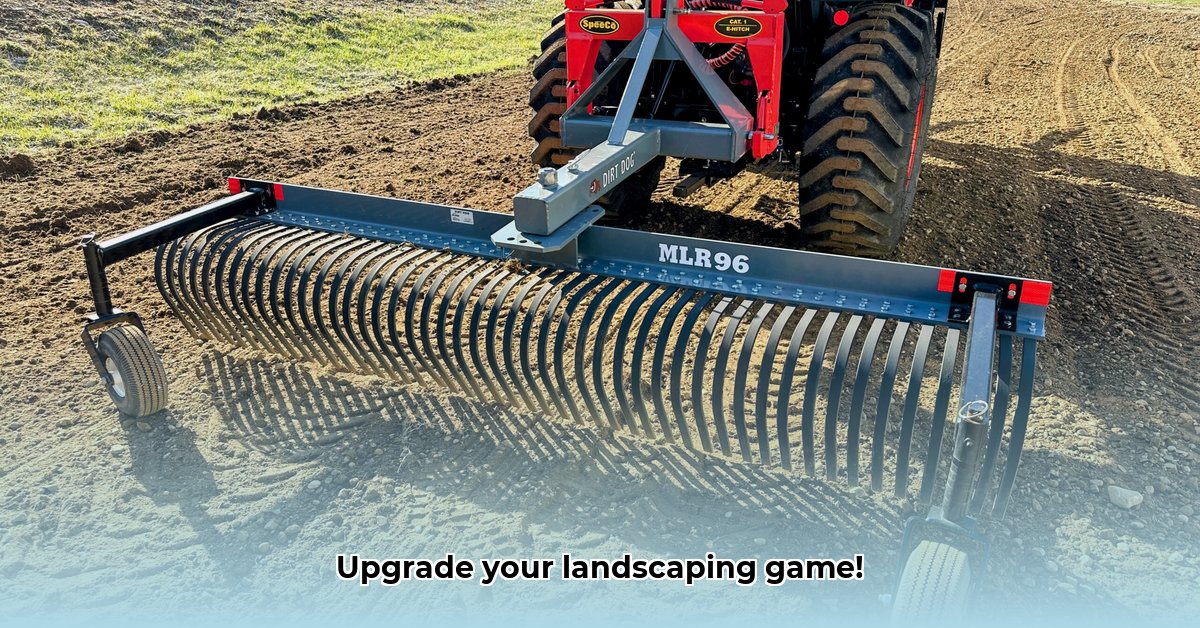
Choosing the right tractor landscape rake is crucial for efficient and safe land management, impacting both productivity and project costs. This comprehensive guide will help you navigate the selection process, from understanding the different types of rakes available to mastering maintenance and safety procedures. We'll also explore current market trends and future innovations in this essential piece of agricultural and landscaping equipment. For more options, check out these compact tractor rakes.
Understanding Tractor Landscape Rakes: Types and Features
Tractor landscape rakes are versatile tools used for land clearing, grading, smoothing, and preparing land for various agricultural and landscaping tasks. They're far more than just "teeth"; the design significantly impacts their effectiveness. Understanding the different types is the first step in choosing the right one.
Several key features differentiate landscape rakes:
- Tine Design: Tines (the metal teeth) come in various shapes – straight, curved, or spring-loaded – each suited to different soil types and applications. Straight tines are typically used for heavier-duty tasks like land clearing, while curved tines are better for finer grading and smoothing. Spring-loaded tines offer more flexibility and prevent damage from rocks or other obstacles.
- Working Width: The width of the rake determines its coverage area. Wider rakes are faster for large areas but less maneuverable in tight spaces. Choosing the right width depends on the size of your project and the terrain.
- Gauge Wheels: These wheels assist in maintaining a consistent depth during operation, ensuring even grading and preventing scalping (removing too much soil).
- Three-Point Hitch: The standard method of attaching a landscape rake to a tractor, ensuring stability and easy maneuverability.
Choosing the Right Rake: A Step-by-Step Approach
Selecting the perfect rake involves careful consideration of several factors. This step-by-step guide will help you make an informed decision.
1. Define Your Budget: Landscape rakes range in price from a few hundred to several thousand dollars, depending on size, features, and build quality. Determine your budget before you begin your search. Remember, a higher initial investment in a durable rake often translates to lower long-term costs due to reduced maintenance and replacement needs.
2. Match Your Tractor's Horsepower: This is critical to prevent damage to your tractor and the rake itself. Consult your tractor's owner's manual to determine its horsepower rating and choose a rake within the recommended weight and power limits. Underpowering the rake will lead to inefficient work and potential breakdowns. Overpowering it is unnecessary and costly.
3. Determine Your Application: The tasks you intend to perform will heavily influence your rake selection. Heavy land clearing requires a robust rake with strong tines, whereas fine grading needs a more delicate model with curved or spring-loaded tines. Will you primarily clear brush, level land, or refine existing terrain?
4. Analyze Your Soil Conditions: Soil type significantly impacts rake selection. Rocky or clay soils necessitate a sturdy rake with strong tines capable of withstanding stress. Softer, sandier soils can tolerate a lighter-duty model. Consider the presence of rocks, debris, and other potential obstacles.
5. Prioritize Durability and Warranty: A quality landscape rake is a significant investment. Look for durable construction materials (heavy-duty steel is preferred), robust welds, and a comprehensive warranty. A longer warranty indicates the manufacturer's confidence in the product's longevity.
Maintenance and Safety: Ensuring Longevity and Preventing Accidents
Proper maintenance and safe operating procedures are essential for extending the lifespan of your rake and preventing accidents.
Regular Inspections: Before each use, thoroughly examine your rake for bent tines, loose bolts, or other signs of wear and tear. Tighten anything loose and replace damaged parts promptly. A pre-use inspection can prevent costly repairs down the line.
Safe Operation: Always securely attach the rake to your tractor's three-point hitch before engaging the PTO (power take-off). Never adjust the rake or dismount the tractor while the PTO is running. Always wear appropriate safety gear, including eye protection and hearing protection.
Proper Storage: Store your rake in a dry, covered area to prevent corrosion and rust. Clean it after each use to remove mud, debris, and other contaminants. Regular cleaning greatly reduces the risk of premature wear and tear.
Market Trends and Innovations: The Future of Landscape Rakes
The landscape rake market is evolving rapidly. There’s a growing emphasis on domestically produced equipment, driven by supply chain concerns and a desire for greater control over sourcing. Technological advancements are also reshaping the industry. We are witnessing innovations such as:
- Adjustable Tines: Offering greater versatility and adaptability to various soil conditions and tasks.
- Improved Gauge Wheel Designs: Allowing for more precise depth control and consistent grading.
- Automated Grading Systems: Utilizing GPS technology for increased efficiency and precision in land leveling.
These trends promise more efficient and precise land management practices in the years to come.
Conclusion: Selecting the Right Rake for Your Needs
Choosing the right tractor landscape rake is a crucial investment that will affect your efficiency and project success. By carefully reviewing your budget, tractor capabilities, intended use, soil conditions, and prioritizing durable construction, you can find a rake perfectly suited to your needs. Remember, proper maintenance and safe operation are key to ensuring a long and productive working life for your chosen equipment. Investing in a high-quality, well-maintained rake will significantly improve your land management practices and contribute to your long-term success.